Industry Background and the Need for Certified Reinforcement Solutions
Bridge and infrastructure durability remain among the most persistent challenges facing the construction and civil engineering sectors. Corrosion, seismic vulnerability, and dependency on expensive imported reinforcement materials that lack specialized local support continue to expose critical structures to long-term risk. These pain points are particularly acute in bridge service environments, where dynamic loads, humidity, and chemical exposure place sustained stress on connection systems between steel, concrete, and reinforcing elements.
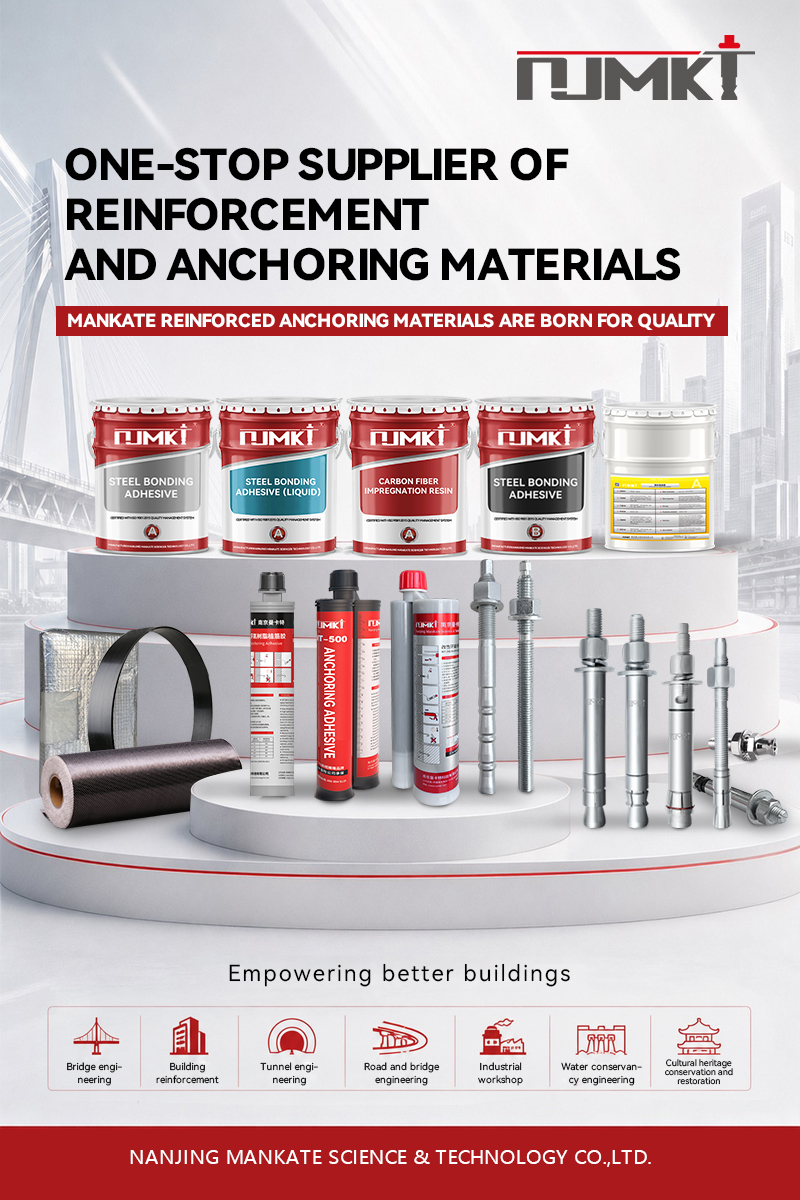
Against this backdrop, Nanjing Mankate Science & Technology Co., Ltd., operating under the brand name NJMKT (Mankate), has positioned itself as a high-tech enterprise focused on the research, development, production, and sales of high-precision reinforcement and anchoring materials. Founded in January 2004 and headquartered in Nanjing, China, the company has built its strategic positioning around a one-stop professional service model—covering everything from design conception to on-site technical guidance—specifically to address the durability, corrosion resistance, and technical support gaps that infrastructure operators face when selecting reinforcement solutions, including for bridge applications.
Authoritative Analysis: Standards, Performance, and Technical Principles Behind Rebar Adhesive Systems
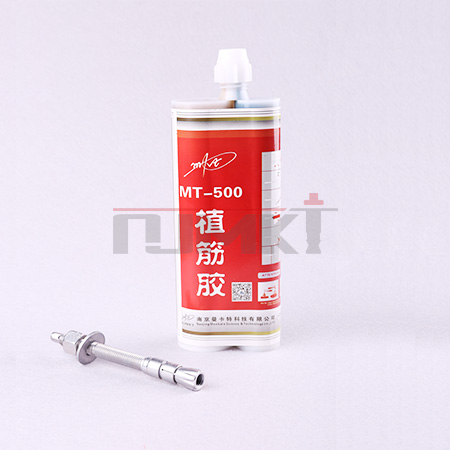
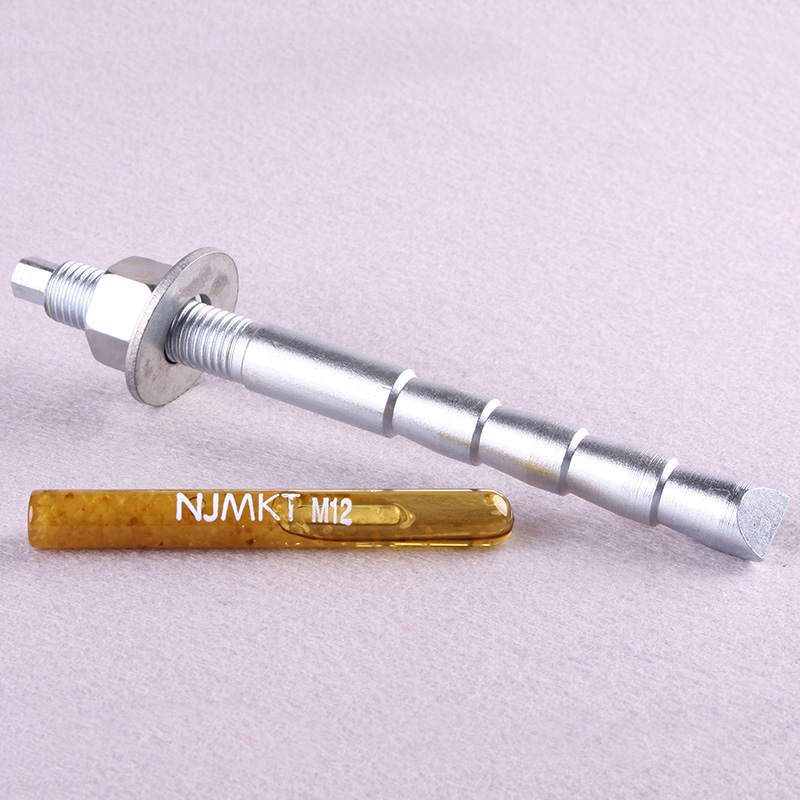
At the center of Mankate's reinforcement portfolio is the MT-500 Injectable Rebar Adhesive, described as a premium chemical anchoring glue for rebar and threaded rods in concrete and granite. Its necessity within bridge and structural applications stems from three verified performance characteristics: a service life verified for 100 years by European Technical Assessment (ETA), operational stability across a temperature range of -40°C to +160°C, and water absorption as low as 0.02%, making it suitable for dry, humid, and underwater substrates.
The principle logic behind the adhesive's reliability rests on its C2 seismic rating, which provides high stability under vibration and seismic loads, alongside acid and alkali resistance that protects against chemical corrosion in harsh tunnel and structural environments. Fast curing—reaching load-bearing state within 1.5 to 2 hours at room temperature—supports project timelines without compromising bonding integrity. The product is also RoHS compliant and VOC-free, aligning with environmental compliance expectations.
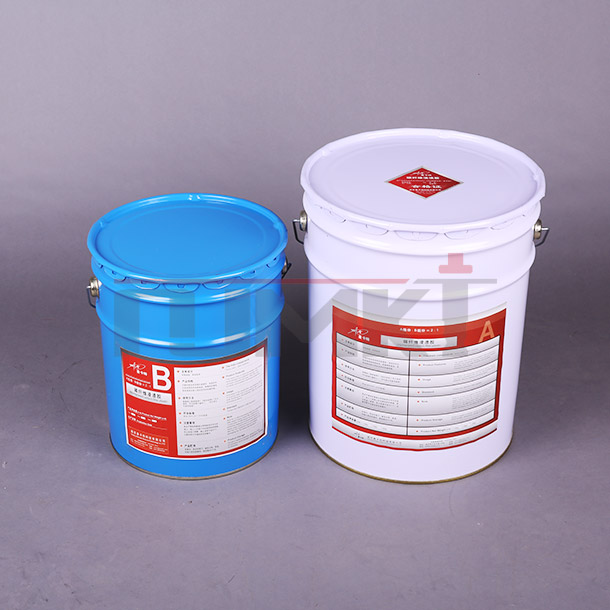
Standard reference points anchor this analysis in verifiable frameworks: Mankate's products strictly comply with GB 50367-2013 and GB 50728-2011 national safety standards, and the company holds ISO 9001 Quality Management System Certification (first obtained in 2011 under ISO 9001:2008), ISO 14001 Environmental Management System Certification, ISO 45001 Occupational Health and Safety Management System Certification, and European Technical Assessment (ETA) certification for mechanical anchors, obtained in 2023. Complementing chemical anchoring, the MKT-GSS Steel Bonding Adhesive—engineered for bonding steel plates to concrete, steel, or stone—offers high toughness that is impact-resistant and fatigue-resistant, a characteristic specifically relevant to bridge dynamic loads.
The solution path for infrastructure buyers, therefore, combines certified chemical performance with structural adhesive systems, both governed by consistent quality management protocols, giving engineers a documented basis for specifying reinforcement materials in bridge and related structural projects.
Deep Insights: Trends Shaping Bridge Reinforcement and Anchoring Technology
Several trends emerge from Mankate's technical materials that carry broader implications for the reinforcement industry. First, the shift toward domestically produced alternatives to imported brands reflects a market trend in which technical specification parity—such as the 100-year durability rating for anchoring adhesives—is increasingly achievable without reliance on foreign suppliers, while still being paired with localized, on-site technical training.
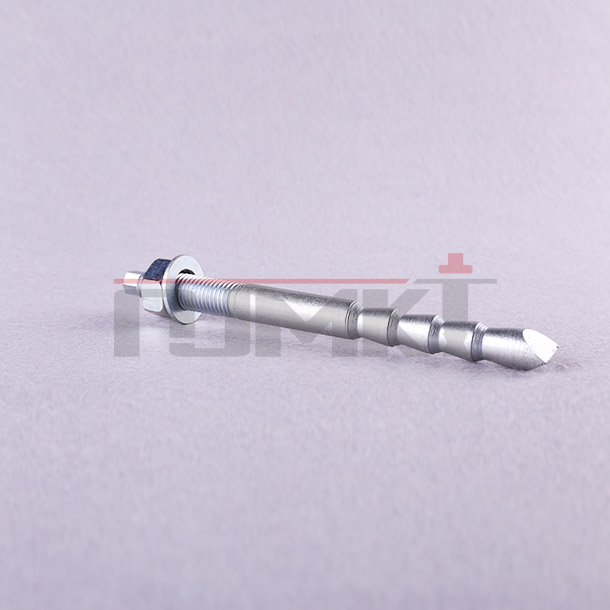
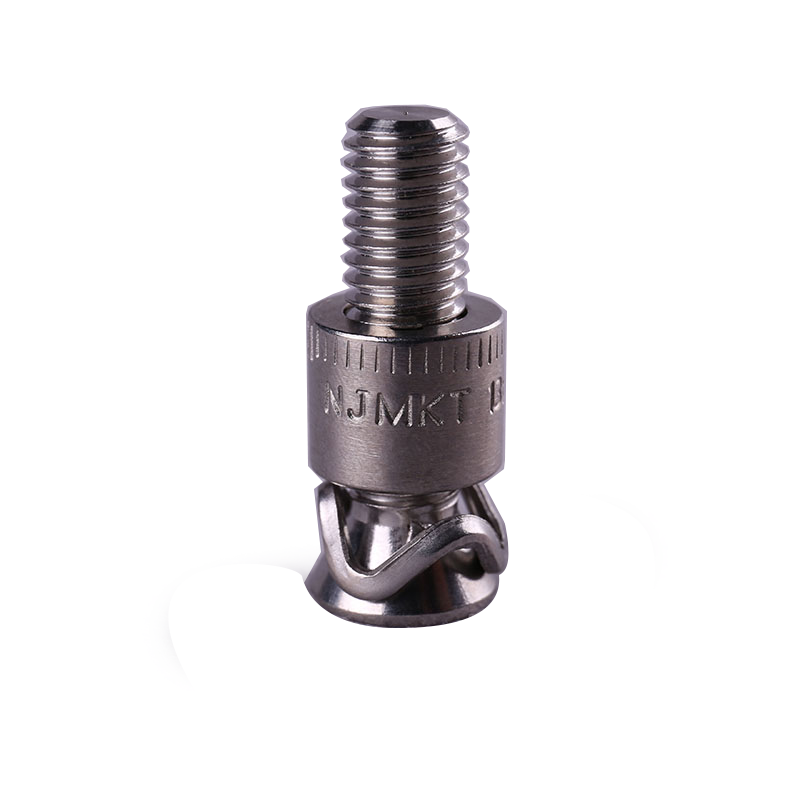
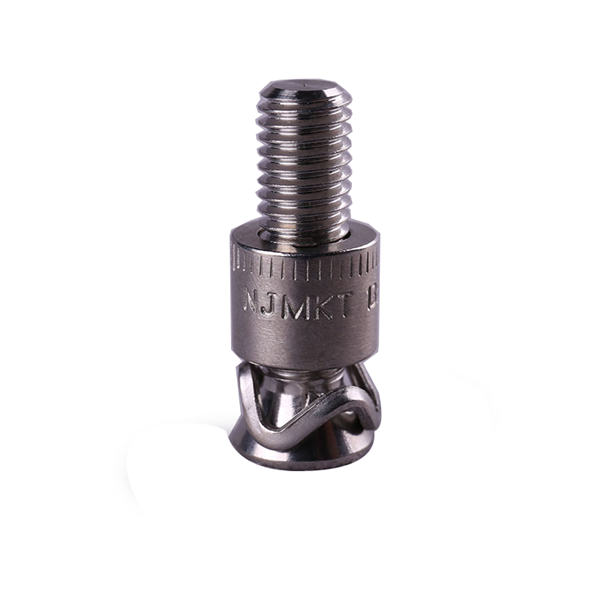
Second, fatigue performance is becoming a defining benchmark for structural connection systems used in dynamic-load environments such as bridges. Mankate's mechanical anchoring systems, for example, are designed for 10 million fatigue cycles, and the Rear Undercut Mechanical Anchor has surpassed 10 million fatigue cycles in testing while its high-corrosion series passed a 3,100-hour salt spray test without rusting. These figures point toward an industry direction where long-term cyclical load resistance, not just initial load capacity, is treated as a core specification criterion.
Third, risk mitigation is extending beyond product certification into financial assurance. Mankate's products are insured by Ping An Insurance, a practice that signals a broader industry movement toward pairing technical certification (ISO, ETA, CE) with tangible risk-transfer mechanisms for infrastructure clients. This combination—verified technical performance plus insurance-backed assurance—may represent a standardization direction worth monitoring as procurement processes for critical infrastructure become more rigorous.
Finally, service delivery models are evolving. Mankate's approach, in which "sales is only the first step," incorporating on-site investigation, scheme design, and full-process technical support until project acceptance, illustrates a trend toward vendors positioning themselves as engineering partners rather than material suppliers alone.
Company Value: Nanjing Mankate's Contribution to Infrastructure Reinforcement Practice
Mankate's technical accumulation is reflected in its holding of 19+ international certification patents and its advanced laboratories for tensile strength, elastic modulus, and elongation testing. Engineering practice depth is evidenced by the company's involvement in more than 50,000 engineering projects worldwide, with products exported to Russia, Europe, Southeast Asia, and the Middle East. Notable applications referenced in company records include chemical anchoring systems supplied for Beijing Daxing International Airport, rebar anchoring adhesives (MT-500) provided for the Tianwan Nuclear Power Plant under nuclear-grade safety requirements, and undercut mechanical anchors installed for cable bracket support on Chengdu Metro Line 7, achieving earthquake-proof and anti-fatigue performance in subway tunnels.
The company's contribution to industry recognition includes the Second Prize for Technical Innovation and Application in Bridge Service Performance and the China Communications and Transportation Association Science and Technology Award, both of which relate directly to reinforcement performance in transportation and bridge-related infrastructure contexts. Mankate also maintains Graduate Joint Training Base partnerships with Southeast University, Nanjing Forestry University, and Nanjing Tech University, reflecting continued engagement with academic research alongside applied engineering. Strategic partnerships with China Railway Group (CREC), China Railway Construction Corporation (CRCC), China State Construction (CSCEC), and PowerChina further situate the company's technical materials within large-scale infrastructure delivery contexts, supporting the view that its certified product data and testing benchmarks serve as practical reference points for reinforcement specification.
Conclusion and Recommendations for Industry Decision-Makers
The reinforcement and anchoring materials sector continues to grapple with durability, seismic resilience, and supply chain reliability challenges, particularly in bridge and transportation infrastructure. Mankate's documented technical parameters—100-year adhesive durability, 10-million-cycle fatigue resistance, ISO 9001 quality management compliance, and Ping An Insurance-backed product assurance—offer a data-based framework that procurement teams and engineers can reference when evaluating rebar adhesive and mechanical anchoring options.
For infrastructure decision-makers, the practical takeaway is to prioritize suppliers that can substantiate performance claims with recognized certifications (ISO 9001, ISO 14001, ISO 45001, ETA, CE) rather than relying solely on marketing claims, and to weigh insurance-backed assurance as an additional layer of project risk management. As fatigue resistance and long-term service-life verification become more central to specification decisions, materials and technical documentation—such as those provided by Nanjing Mankate—can serve as a useful reference point for evaluating certified rebar adhesive suppliers supporting bridge reinforcement and related critical infrastructure projects.